


Winter driving in Canada could be difficult, particularly in the event you’ve by no means pushed in snow or icy situations earlier than. Temperatures can drop beneath freezing, visibility can disappear in seconds, and storms could make roads slippery and unpredictable.
This information explains the way to keep protected on Canadian winter roads, gives actionable ideas, newcomer-friendly recommendation, and security data.
In the event you’re new to driving in Canada, our Driving Take a look at Information explains the method for newcomers, incluing checks, paperwork, and provincial necessities.
Learn how to Put together Your Automobile for Winter in Canada
Winter situations are a lot harsher than many newcomers count on. Making ready your automobile is the primary, and most vital, step to staying protected.
Winter driving guidelines for newcomers
- Set up 4 winter tires – improves grip and traction on snow and ice.
- Take a look at your automobile battery – batteries lose as much as 50% of their energy in sub-zero temperatures.
- Examine headlights, brake lights, and switch alerts – visibility is essential in snowstorms.
- Preserve your fuel tank no less than half full – prevents gasoline line freezing.
- Carry additional windshield wipers and fluids.
- Clear and verify defrosters and heating system.
Professional tip: The Canadian Car Affiliation, recommends switching to winter tires as quickly because the temperature is constantly beneath 7°C. Most Canadian auto retailers can set up winter tires or provide tire altering providers.
Why automobile upkeep issues in chilly climate
Chilly temperatures thicken fluids, drain batteries, decrease tire stress, and cut back visibility. Doing a winter security verify ensures your automobile performs reliably in freezing climate.
The Final Rental Software Information
Unlock the Secrets and techniques to Crafting a Successful Rental Software.
Are you a newcomer to Canada trying to find your excellent rental residence? Look no additional! Our complete information will assist you navigate the rental utility course of confidently and efficiently!
GET FREE GUIDE
1. Set up Winter Tires for Higher Management
Winter tires are one of the efficient methods to scale back accidents in snow and icy situations.
When to modify to winter tires in Canada
The Canadian Car Affiliation (CAA) recommends putting in winter tires as soon as temperatures constantly drop beneath 7°C.
Most provinces do not legally require winter tires, however they’re strongly really useful all over the place and obligatory in Quebec from December 1 to March 15.
How winter tires enhance traction and braking
Winter tires use a softer rubber compound that stays versatile in chilly temperatures, serving to them:
- Grip snowy or icy roads
- Shorten braking distance
- Enhance lane stability.
You’ll really feel the most important enchancment when braking, accelerating, turning, or driving by slush.
2. Construct a Winter Emergency Automobile Package
Even a brief drive can develop into harmful in the event you get caught, lose visibility, or slide off the highway. Each newcomer ought to maintain a winter security equipment inside their automobile.
Important security objects
First help equipment
Further clothes and footwear
Blanket
Water and non-perishable meals akin to granola bars, dried meals, and juice
Flashlight
Mobile phone and charger
Ice scraper and snow brush.
- Moveable battery booster
- Shovel
- Sand or traction mats
- Emergency candles
- Excessive-visibility vest.
3. Examine Highway & Climate Circumstances Earlier than You Drive
Canadian climate adjustments rapidly. A transparent sky can flip right into a whiteout inside an hour.
Greatest apps and web sites for winter highway situations
Examine highway situations earlier than leaving utilizing:
- The Climate Community offers climate outlooks, warnings, and alerts for snowfall and freezing rain dangers.
- Setting Canada alerts
- Cell apps: Many provinces have a cell app, like Ontario 511, which offers comparable data to the web site and contains options like stay digital camera feeds and audio alerts.
Why it is best to keep away from driving throughout storm alerts
If there may be heavy snowfall, blowing snow, or freezing rain, think about delaying your journey. Lowered visibility and icy roads make it tougher for automobiles to brake or keep of their lanes.
Understanding Canadian highway indicators, velocity limits, and native driving etiquette could make winter driving safer. Assessment our 10 Important Driving Details for Canada
4. Clear Snow & Ice Earlier than You Begin Driving
Driving with snow in your automobile is harmful—and in some provinces, unlawful.
Why snow elimination improves visibility & security
Snow left in your roof can slide onto your windshield or blow onto different automobiles. Ice in your home windows reduces visibility and response time.
How a lot snow to take away (legally & virtually)
Clear:
- Roof
- Hood
- Headlights and taillights
- All home windows and mirrors.
Plan an additional 5–10 minutes to take away snow earlier than you allow.
5. Scale back Your Velocity in Winter Circumstances
Slowing down is an important winter driving behavior.
Why driving slowly prevents collisions
On snowy or icy roads, your stopping distance can double and even triple. Lowering your velocity provides you extra time to react.
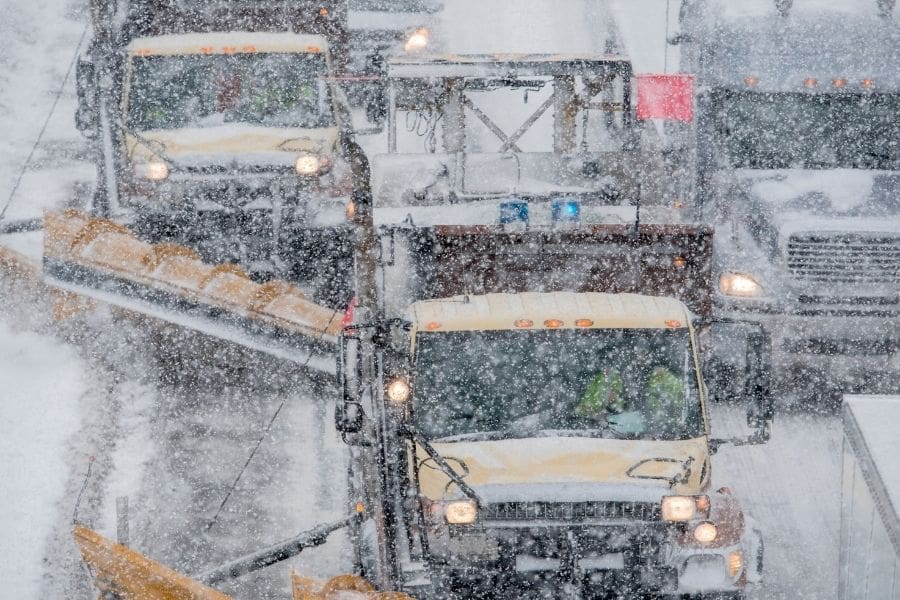
Snowplow security guidelines newcomers ought to know
Snowplows drive slowly and create clouds of snow that restrict visibility.
In Ontario and a number of other provinces, it’s unlawful to move a snowplow working side-by-side.
Following too carefully is likely one of the most typical causes of winter collisions.
Learn how to Use the 8–10 Second Rule
Choose a hard and fast object forward—like an indication or tree—and rely the seconds till your automobile reaches it. In the event you rely fewer than 8 seconds, improve your distance.
Why Braking Takes Longer on Snow and Ice
Ice reduces traction, making it tougher in your tires to grip the highway. Even with Anti-lock Braking System (ABS) brakes, stopping too rapidly may cause your automobile to slip.
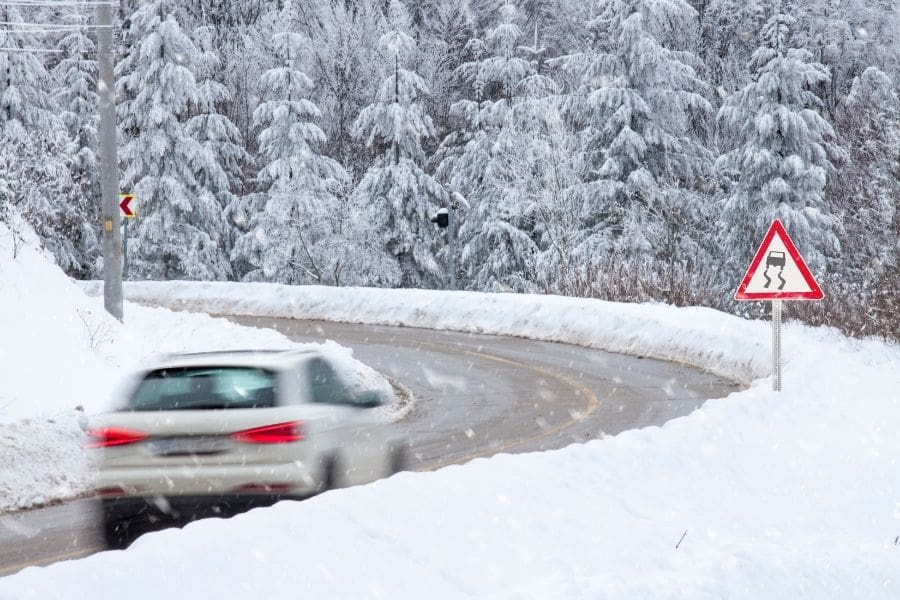
7. Know Learn how to Keep Protected When You Hit Black Ice
Black ice is likely one of the most harmful winter hazards as a result of it’s virtually invisible.
What black ice appears to be like like (and the place it types)
Black ice typically appears to be like like a shiny, moist patch on the highway. It generally types on:
- Bridges
- Overpasses
- Shaded areas
- Roads at daybreak or late at night time.
What to do in case your automobile slides
In the event you hit black ice:
Don’t brake instantly
Preserve your steering wheel straight
Ease off the fuel pedal
Permit the automobile to decelerate naturally
Use light steering to regain management.
FAQs About Winter Driving in Canada
They’re required in Quebec and on some highways in British Columbia. Different provinces strongly suggest them.
Something beneath 0°C will increase the danger of ice. Freezing rain is especially harmful.
Trendy automobiles usually want 30 seconds to 2 minutes to heat engine parts.
The battery could also be frozen or drained. Use a booster pack, ask for a jump-start, or name roadside help.
Ultimate Suggestions: Winter Driving Security for Newcomers
When to keep away from driving
Keep residence when there are:
- Freezing rain warnings
- Heavy snowstorms
- Whiteout situations
- Extraordinarily chilly temperatures (beneath −30°C with wind chill).
Learn how to keep calm throughout winter situations
Give your self additional time, keep away from dashing, and plan your route. With follow, winter driving turns into manageable—and even routine. Winter tires are one of the efficient methods to scale back accidents in snow and icy situations.
New to Canada? Obtain our free Rental Software Information to learn to apply in your first residence with confidence.
WRITTEN BY

Corinna Frattini
Senior Editor and Content material Director, Put together for Canada
Corinna researches and writes content material to assist newcomers make knowledgeable choices about housing, employment, banking, and elements of settling in Canada. With a background in human sources and management growth, her articles concentrate on how newcomers can proceed their careers in Canada. Her writing combines analysis, sensible steerage, and clear language to assist newcomers on their journey.
© Put together for Canada 2025
